29Oct

Learn key Florida bail bond laws every client should know — from bail basics to rights, refunds, and legal steps. Stay informed with expert tips.

When someone you love gets arrested, everything feels like it's moving a hundred miles an hour. Between worrying about their safety, figuring out what happens next, and trying to understand the bail process, it's easy to feel overwhelmed. I've been there too—watching a friend struggle through the system and realizing that understanding Florida's bail bond laws can make the entire situation far less confusing.

Judge setting bail amount during a court hearing in Florida

So, in this post, I want to break down everything you should know about Florida bail bond laws—from how bail is set, to your rights, to what happens if something goes wrong. Whether you're helping a family member, dealing with your own case, or just trying to be prepared, this guide will give you the clarity you need.

Understanding the Basics of Bail in Florida

What Does Bail Actually Mean?

At its core, bail is a financial promise made to the court. It allows an arrested person to be released while waiting for their trial. In Florida, just like anywhere else, bail ensures that the defendant will return for future court appearances.

But here's something many people don't realize: bail isn't a punishment—it's a way to secure release before the case is resolved. The amount depends on the severity of the crime, prior criminal history, and the likelihood that the person will appear in court.

The Difference Between Bail and Bond

People often use these words interchangeably, but they're not exactly the same:

  • Bail: The amount set by the court to guarantee appearance at trial.
  • Bond: The financial guarantee provided by a licensed bail bond agent when you can't pay the full bail upfront.

A bail bond company pays the court on your behalf for a small percentage—usually 10% of the total bail amount—and you or your loved one gets released while awaiting trial.

Florida Bail Bond Laws: The Essentials

Florida has specific laws that regulate how bail works, what rights defendants have, and what responsibilities come with a bond agreement. Here's what you should know:

1. Florida Statutes Chapter 648: The Foundation of Bail Bonds
Florida Statutes Chapter 648 bail bond regulations and legal text

If you've ever wondered who governs the bail system, it's Florida Statute Chapter 648. This law defines how bail bond agents operate, their licensing requirements, and the rules they must follow.

Some key takeaways:

  • Only licensed bail bond agents can post bail on behalf of someone else.
  • Agents must follow strict ethical guidelines and cannot charge more than 10% of the bail amount for their services.
  • They're also regulated by the Florida Department of Financial Services to ensure fairness and transparency.

These laws exist to protect you—the client—from being taken advantage of during a stressful time.

2. Florida Statute 903: How Bail Is Set and Managed

Florida Statute 903 governs the mechanics of bail. It outlines how judges determine bail amounts and what factors they consider:

  • The nature and circumstances of the offense.
  • The defendant's criminal history.
  • Flight risk (likelihood the person will flee before trial).
  • Community ties, employment, and family responsibilities.

Judges can deny bail in some instances—like capital offenses—but most individuals have a right to some form of pretrial release.

3. Bail Schedules in Florida

In many Florida counties, judges use what's called a bail schedule—a pre-set list of standard charges with corresponding bail amounts.For example:

  • DUI (first offense): around $500–$1,000.
  • Simple assault: $1,000.
  • Drug possession: $2,500–$5,000.

However, these are guidelines. A judge can always raise or lower bail depending on the specifics of the case.

4. Posting Bail: How the Process Works

When bail is set, there are three main options for release:

  1. Cash Bail – Pay the full amount directly to the court.
  2. Bail Bond – Work with a licensed bail bondsman to secure release for a smaller fee (usually 10%).
  3. Release on Recognizance (ROR) – No payment required; you're released based on your promise to appear in court.

In most cases—especially when bail amounts are high—a bail bond is the most practical option.

The Rights of Bail Bond Clients in Florida

When you or your loved one signs a bail bond agreement, it's not just a financial transaction—it's a legal contract protected under state law.

You Have the Right To:

  • Understand all terms and fees before signing.
  • Receive a copy of the bail bond agreement.
  • Be treated with fairness, respect, and confidentiality.
  • Know what happens if bail conditions are violated.

Responsibilities That Come With Bail

Along with rights, there are essential responsibilities:

  • Attend every court appearance. Missing one can result in arrest and forfeiture of bail.
  • Follow all conditions set by the judge (e.g., travel restrictions, curfews, or no-contact orders).
  • Stay in communication with your bail bond agent.

Failure to meet these responsibilities can have serious consequences—not just for the defendant, but also for anyone who co-signed the bond.

What Happens If You Miss Court in Florida?
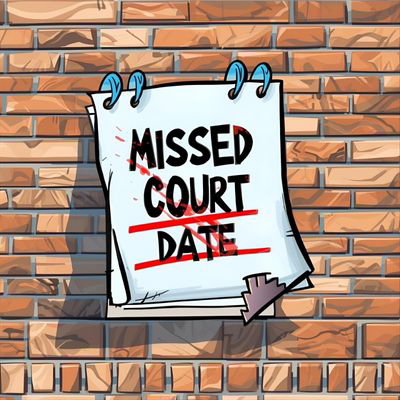
Missed court appearance concept showing legal consequences in Florida

This is one of the biggest concerns I hear about from families. If you—or your loved one—misses a scheduled court appearance, the court will issue a bench warrant for arrest.The bail bond company then becomes responsible for the full bail amount. To recover it, they might send out a bail enforcement agent (often called a bounty hunter).

But here's the key point:If you miss court for a valid reason—such as illness or an emergency—your attorney can file a motion to set aside the forfeiture and request a new court date.It's always better to communicate immediately with your attorney and bail bond agent rather than waiting.

Understanding Collateral and Refunds

What Collateral Is

Collateral is something of value (like jewelry, property, or a vehicle) used to secure a bond. It's only collected if the defendant fails to appear in court.

When You Get Your Collateral Back

Once the case is resolved and all court appearances are complete, the collateral is returned—minus any agreed-upon fees.

If you've worked with a reputable bail bond agency like Bail Bond Daytona, they'll make this process straightforward and transparent.

How Florida's Bail Laws Protect You

Many people assume bail agents only care about collecting fees, but Florida's bail laws are designed to protect you, the consumer.

Consumer Protection Regulations

The Florida Department of Financial Services monitors bail bond agents, ensuring they:

  • Maintain proper licensing and insurance.
  • Use standard contracts that meet state guidelines.
  • Clearly outline all costs and collateral requirements.

If a bail bond company violates these rules, you can file a complaint directly with the Department.

Why I Recommend Bail Bond Daytona

When I helped a friend through the bail process last year, we were utterly lost—until we connected with Bail Bond Daytona. They didn't just process paperwork; they explained the laws, walked us through each step, and treated us with compassion.

Here's why I recommend them:

  • 24/7 availability—they understand arrests don't happen on a schedule.
  • Local expertise—they know how the courts in Volusia County and the surrounding areas operate.
  • Fair pricing—they follow state law and never charge hidden fees.
  • Fast response times—because every minute matters when someone you love is behind bars.

If you're navigating an arrest situation, having a licensed and trustworthy bail bond service like Bail Bond Daytona makes a huge difference.

Common Myths About Florida Bail Laws

Myth 1: You Can't Get Bail for Serious Charges

False. Even serious felony charges often come with bail options—though amounts will be higher and conditions stricter.

Myth 2: The Bondsman Can Change the Fee

Also false. Florida law caps bail bond premiums at 10% of the total bail amount. Anything higher is illegal.

Myth 3: If You Pay Bail, It's Gone Forever

Not true. If you post cash bail directly with the court and the defendant attends all hearings, you'll get that money back once the case concludes.

Final Thoughts: Knowledge Is Power

Understanding Florida bail bond laws can completely change how you handle an arrest situation. What feels chaotic becomes manageable once you know your rights, responsibilities, and options.

If you ever find yourself—or someone you love—facing an arrest in Florida, remember this:

  • Stay calm.
  • Learn the laws.
  • Choose a reputable bond service that follows state regulations.

And if you're in the Daytona Beach area, reach out to Bail Bond Daytona. They've built a reputation for fast, affordable, and honest bail assistance, and from my own experience, they genuinely care about helping families through difficult times.

Because when the legal system feels overwhelming, the proper knowledge—and the right people—make all the difference.
Learn when a bail bond can be revoked, common causes, and how to stay compliant with tips from Bail Bond Daytona in Florida.

Facing an arrest—whether it's yourself, a family member, or a friend—can be stressful, confusing, and overwhelming. One of the questions that often comes up is: "What happens if a bail bond is revoked?" I've spent time understanding this process so I can share it in a way that's easy to digest, especially for families and individuals in Florida who are navigating the system for the first time.

In this post, I'll walk through why and when a bail bond can be revoked, what actions may trigger it, and how to prevent complications. I'll also provide guidance on working with professional bail bond services like Bail Bond Daytona, which can help make the process smoother and less stressful.

Understanding Bail Bonds and Their Role

What a Bail Bond Really Means

When someone is arrested, the court often allows them to post bail—a sum of money to guarantee they'll appear at future court dates. I always explain it to people like this: the bail bond is essentially a promise. The person posting bail is saying, "I will follow the rules, show up for court, and respect the legal process."

Here's how it works:

  • Cash bail: You pay the full amount directly to the court.
  • Bail bond: You work with a licensed bail bond agent (like Bail Bond Daytona) to cover the cost, usually paying a percentage of the total amount.
  • Collateral: In some cases, property or valuables may be used to secure the bond.

The court and the bail bond company expect that the person released will comply with all conditions, or the bond may be revoked.


What "Bail Bond Revocation" Actually Means

The Legal Implications

When a bail bond is revoked, the court or bail bond company cancels the release agreement. This means:

  • The person who was released may be taken back into custody immediately.
  • Any money or collateral used to secure the bond may be forfeited.
  • Additional charges may apply if violations were serious, such as fleeing the jurisdiction.

I always tell people: think of revocation as a severe warning. It doesn't happen lightly, but when it does, it can have significant consequences for both the defendant and their family.

Common Misunderstandings

  • Some people believe the bond can't be revoked once posted—it absolutely can.
  • Others think minor mistakes don't matter—but failing to follow court rules, even inadvertently, can trigger revocation.
  • A professional bail bond agent can help explain conditions clearly and avoid mistakes.


Why Bail Bonds Are Revoked

There are several reasons a bail bond may be revoked. I like to break them down into behavioral, procedural, and legal triggers:

1. Failing to Appear in Court

  • The most common cause for revocation.
  • Even missing a single court date can trigger a warrant and immediate revocation.
  • Tips I've shared with clients: set multiple reminders, communicate with your attorney, and never assume a short delay is harmless.


2. Violating Release Conditions

Courts often set conditions to maintain public safety and ensure compliance. Violations can include:

  • Travel restrictions: Leaving Florida without permission.
  • No-contact orders: Contacting specific individuals, like victims or co-defendants.
  • Drug or alcohol restrictions: Being caught using prohibited substances.
  • Curfew violations: Not following court-mandated schedules.

Breaking any of these conditions can lead to bond revocation, immediate arrest, and sometimes higher bail upon re-release.

3. Committing a New Crime While Released

  • If the individual is charged with a new offense while out on bail, the original bond can be revoked.
  • Courts may view this as a sign that the person is not respecting the legal process, which can complicate their case.


4. Failing to Cooperate with the Bail Bond Company

  • Bail bond companies, like Bail Bond Daytona, have rules to protect themselves.
  • Missing scheduled check-ins, providing false information, or otherwise violating the agreement can result in the bond being revoked.
  • I always advise families: maintain open communication with your agent, and treat the bond like a legal contract.


What Happens After a Bail Bond Is Revoked

Immediate Legal Consequences

  • The defendant may be re-arrested and taken to jail.
  • The court may issue a bench warrant for failure to comply.
  • Any collateral used to secure the bond could be forfeited, meaning property or cash may be lost.

Additional Charges and Penalties

  • Some violations trigger additional criminal charges, like contempt of court or violating bond conditions.
  • Bail may increase significantly for re-release, making it harder for families to post again.

The Role of the Bail Bond Agent Post-Revocation

  • A professional like Bail Bond Daytona can sometimes advocate for reinstatement or advise on the following legal steps.
  • They help families navigate court procedures and understand what's required to restore the bond.


How to Prevent Bail Bond Revocation

I can't stress this enough: prevention is far easier than dealing with revocation. Here's what I recommend:

1. Understand Your Bond Conditions Clearly

  • Review all conditions with your attorney or bail bond agent.
  • Ask questions until you fully understand restrictions on travel, contact, and behavior.

2. Keep Open Communication with Your Bail Bond Agent

  • Notify the agent of any schedule conflicts, court updates, or concerns.
  • Report any unexpected issues immediately—agents can sometimes intervene to prevent revocation.

3. Prioritize Court Appearances

  • Mark all court dates on multiple calendars (phone, paper, family reminders).
  • Set alarms and plan transportation in advance.
  • Never assume a delay or rescheduling is automatic—always confirm with the court.

4. Aoid Risky Behavior

  • Follow all legal restrictions, including travel and contact rules.
  • Avoid situations that may lead to new charges.
  • Take alcohol or drug restrictions seriously—violating them is a fast track to revocation.

5. Keep Documentation Handy

  • Maintain records of payments, communication, and compliance with bond conditions.
  • This documentation can help protect the bond if misunderstandings occur.


How Bail Bond Daytona Helps Families Navigate the Process

Having a professional bail bond service by your side can make a huge difference. Here's why I recommend Bail Bond Daytona.

  • Guidance Through the Process: They explain the legal requirements and prevent common mistakes that could lead to revocation.
  • Support for Families: They act as a liaison, helping families understand court updates and manage the logistical stress.
  • Flexible Payment Options: For low-to income individuals, they provide solutions that make posting bail more manageable.
  • 24/7 Availability: Arrests can happen at any time—having someone available day or night provides peace of mind.

I genuinely feel that families benefit from having a trusted, experienced agent involved—especially during such a stressful time.

Final Thoughts

Bail bond revocation is serious, but it's entirely preventable with the proper preparation and awareness. The key takeaways I want families and individuals to remember:

  • Know the conditions of your bail bond and follow them strictly.
  • Never miss court dates—set multiple reminders and plan transportation carefully.
  • Avoid new criminal activity or risky behavior while out on bond.
  • Maintain open communication with your bail bond agent; it can prevent misunderstandings.
  • Work with a professional service, like Bail Bond Daytona, to navigate legal complexities and reduce stress.

If you or a loved one is facing bail, understanding these rules and working with experienced professionals can protect your freedom, finances, and peace of mind.

04Oct

Learn what collateral means in bail bonds, how it works, and what assets you can use to secure bail. This complete guide explains the process, risks, and real examples to help you navigate bail confidently in Daytona Beach.

Hey there! If you're reading this, I know you're likely facing one of the most stressful situations: someone you care about has been arrested, or maybe you're navigating bail for yourself. I get it — it's confusing, emotional, and full of legal jargon that can feel overwhelming.

One term you've probably come across is collateral in bail bonds. It doesn't sound very easy, but it's really just a tool that helps secure bail and ensure the person released attends all their court dates. I'm going to walk you through everything in plain language, with real examples and tips, so you feel confident in your next steps.

What Is Collateral in Bail Bonds?

Collateral is simply something valuable you pledge to a bail bondsman when they help post bail for someone. Think of it as a form of trust — it reassures the bondsman that the defendant will attend court.

  • It protects the bondsman if the defendant doesn't show up.
  • It gives you, the person posting bail, a way to secure release without paying the full bail amount in cash.
  • It can be almost anything of significant value, from property to vehicles to jewelry.


Why Collateral Matters

If you or a loved one cannot afford to pay full bail, collateral can make a big difference:

  • Access to Freedom Quickly: Without collateral, some bondsmen may hesitate to post bail, especially for high amounts.
  • Financial Flexibility: You pay only a fraction of the bail as a bond fee instead of the entire bail sum.
  • Peace of Mind: Knowing there's a structured agreement can reduce the stress of navigating the bail system.


Common Types of Collateral

Here are some examples of what bail bondsmen usually accept:

  • Real Estate – Homes, condos, or land with equity.
  • Vehicles – Cars, motorcycles, trucks, or boats.
  • Jewelry & Valuable Items – Gold, diamonds, artwork.
  • Cash – Direct payment or a savings deposit.
  • Other Assets – Electronics, collectibles, or anything agreed upon with the bondsman.

Tip: Make sure the asset's value matches or exceeds the bail amount. This protects both you and the bondsman.


How the Collateral Process Works

Let me walk you through a typical process so you know what to expect:

  1. Assessment – The bondsman reviews the bail amount, the defendant's background, and the proposed collateral.
  2. Agreement – You and the bondsman sign a contract specifying the terms, type of collateral, and bond fee.
  3. Posting Bail – The bondsman posts the bail, and the defendant is released from custody.
  4. Court Compliance – The defendant must attend all scheduled hearings.
  5. Return of Collateral – Once all obligations are met, the collateral is released back to you.

It's important to understand that failing to meet court obligations can result in forfeited collateral.


What Happens If the Defendant Misses Court

I want to be honest — this part matters.

  • Loss of Collateral: The bondsman can take and sell your collateral to cover the bail.
  • Additional Legal Trouble: The defendant could face new charges, and a warrant may be issued.
  • Financial Liability: You may lose both collateral and bond fees.

The best way to protect yourself is by ensuring the defendant understands the importance of attending every court date.


Tips for Handling Collateral Safely

Here's what I usually tell anyone posting collateral:

  • Choose Wisely – Use assets of sufficient value but not ones that would devastate you if lost.
  • Keep Documentation – Have proof of ownership, purchase price, or valuation for the collateral.
  • Understand the Contract – Read every term carefully and ask questions before signing.
  • Maintain Communication – Stay in touch with the bondsman throughout the process.

Use Legal Guidance – A lawyer can explain any confusing clauses or legal risks.


A Real-Life Example

Here's a scenario to make it concrete: Your friend, Jenny, has been arrested, and bail is set at $15,000. You don't have that cash, but you own a car worth $16,000. You offer the car as collateral. The bondsman posts bail, Jenny is released, and she attends every court date. Once the case is resolved, your car is returned.
Now, imagine if Jenny skipped a court date. The bondsman could sell your car to recover their costs. This example highlights the responsibility involved when pledging collateral.


Who Can Benefit Most from Understanding Collateral

  • Family & Friends – Offers a straightforward way to help someone out of jail quickly.
  • Recently Arrested Individuals – Helps regain Freedom while preparing a defense.
  • Out-of-State Visitors & Tourists – Provides a local solution for those unfamiliar with the courts.
  • People Facing High Bail – Makes posting bail more manageable.
  • Low-to-Middle Income Individuals – Offers a path to release without full cash payment.


My Personal Recommendation

If you're in Daytona or the surrounding area, I recommend Bail Bond Daytona

  • They're available 24/7 for emergencies.
  • Their fees and collateral requirements are transparent.
  • Local expertise ensures a smooth, faster process.
  • They have a reputation for treating clients with respect and care.

Working with a trusted bail bond service can make this stressful process a lot more manageable.


Final Thoughts

Collateral in bail bonds might seem intimidating at first, but once you understand how it works, it's really a tool for securing Freedom and protecting everyone involved.

Remember these key points:

  • Collateral ensures the bondsman's protection and encourages court compliance.
  • Only pledge assets you can afford to risk.
  • Stay informed and communicate openly with the bondsman.
  • Trust licensed professionals, like Bail Bond Daytona, for guidance.

Handling collateral responsibly can make a huge difference in how smoothly someone gets out of jail and stays on track for their court dates. With the right approach, this process doesn't have to feel overwhelming — you can navigate it confidently and safely.

I BUILT MY SITE FOR FREE USING