23Jan

How much does bail really cost in Florida? Learn bail bond fees, hidden costs, and smart ways families can manage bail fast.

When someone you care about is arrested, the emotional shock hits first. Then comes the panic. And almost immediately after that, the question everyone asks-sometimes in a shaky voice-is: “How much is this going to cost?”

If you’re navigating the Florida bail system for the first time, the numbers can feel confusing, overwhelming, and sometimes even unfair. I’ve spent years writing about bail in Florida for families, tourists, and everyday people-not attorneys-and one thing is clear: most people don’t understand bail costs until they’re already in the middle of a crisis.

This guide breaks it all down honestly, without legal jargon, hidden surprises, or pressure. By the end, you’ll know exactly what bail really costs in Florida, what affects the price, and how bail bonds florida services help people get through this moment without financial ruin.

Understanding Bail in Florida: The Basics Everyone Should Know

Before talking about cost, it helps to understand what bail actually is.

What Bail Is-and What It Isn’t

Bail is not a fine. It’s a financial guarantee to the court that the person arrested will return for future court dates.If bail is posted:

  • The defendant is released from jail.
  • They agree to follow court rules.
  • They must appear at all scheduled hearings.

If they don’t show up, the bail can be forfeited.

What Determines the Cost of Bail in Florida?

Bail amounts aren’t random. Florida courts consider several factors when setting bail.

Key Factors That Affect Bail Amounts

  • Severity of the charge
  • Criminal history
  • Risk of flight
  • Public safety concerns
  • Prosecutor input (which you can explore further in [What Role Prosecutors Play in Bail Decisions])

A minor misdemeanor may carry bail as low as a few hundred dollars, while felony charges can jump into the tens or even hundreds of thousands.

Cash Bail vs. Bail Bonds: What You Actually Pay

Here’s where most confusion happens.

Option 1: Paying Full Cash Bail

If bail is set at $10,000, you must pay:

  • $10,000 upfront
  • In cash, a cashier’s check, or an approved method

If the case concludes properly, the court may return that money, minus administrative fees.For most families, this simply isn’t realistic.

Option 2: Using a Bail Bond Service

This is where bail bond services in Florida step in.Instead of paying the full bail: 

  • You pay 10% of the bail amount.
  • The bail bond company covers the rest.

Example:

  • Bail set at $10,000
  • You pay $1,000
  • The defendant is released.

That 10% is non-refundable, but it allows families to avoid financial collapse.

Why Bail Bond Fees Are Non-Refundable

This is a common frustration, so let’s address it honestly.A bail bond fee covers:

  • The financial risk the bond company takes
  • Administrative work
  • Court coordination
  • 24/7 availability
  • Compliance monitoring

The fee isn’t a deposit-it’s the cost of the service.

Hidden Costs People Don’t Expect (But Should)

Bail itself isn’t always the only expense.

Possible Additional Costs

  • Booking or jail processing fees
  • Court administrative fees
  • Monitoring devices (ankle monitors)
  • Travel restrictions or compliance costs

A good bail agent explains these before you commit, not after.

Can Bail Costs Be Reduced?

Yes-sometimes.

Ways Bail Might Be Lowered

  • Bail reduction hearings
  • Strong community ties
  • Employment verification
  • First-time offender status

However, bail reduction isn’t guaranteed, especially if prosecutors object.

What Happens If Bail Is Too High to Afford?

This is more common than people realize.When bail is out of reach:

  • Defendants may remain in jail for weeks or months.
  • Families experience financial strain.
  • Jobs, housing, and stability are at risk.

This is why working with an experienced bail bond service matters.

Why Timing Affects Bail Costs More Than People Realize

Arrests don’t happen on a schedule.

Timing Can Increase Stress and Cost

  • Weekend arrests
  • Holidays
  • Late-night bookings
  • Court backlogs

24/7 bail bond service can prevent unnecessary delays that keep someone in jail longer than needed.

What to Look for in a Florida Bail Bond Company

Not all bond services operate the same way.

Choose a Bail Agent Who:

  • Explains fees clearly
  • Doesn’t pressure you
  • Offers payment options
  • Answers questions patiently
  • Is familiar with local Florida courts

Why I Recommend Bail Bond Daytona

After years of researching and writing about Florida’s bail system, I’ve learned that trust matters more than anything during an arrest.That’s why I genuinely recommend https://bailbonddaytona.com/.They understand:

  • How Florida courts operate
  • The stress families are under
  • The importance of speed and clarity

They don’t treat bail like a transaction-they treat it like a responsibility.

Real-Life Cost Examples (What People Actually Pay)

Here’s what bail often looks like in real situations:

Misdemeanor Charge

  • Bail: $2,000
  • Bail bond fee: $200

Felony Charge

  • Bail: $25,000
  • Bail bond fee: $2,500

Serious Felony

  • Bail: $100,000
  • Bail bond fee: $10,000

These numbers feel heavy, but they’re often far more manageable than paying full bail.

The Emotional Cost No One Talks About

Beyond money, bail impacts:

  • Families
  • Children
  • Jobs
  • Mental health

The faster bail is handled correctly, the less damage spreads into everyday life.

Final Thoughts: Bail Costs Are About More Than Dollars

So, how much does it really cost to bail someone out in Florida?

The honest answer: it depends, but it doesn’t have to destroy your finances.

With the right information, timing, and support, families can navigate bail bond systems with clarity instead of chaos.

If you’re facing this situation right now, take a breath. Ask questions. And remember, you’re not alone in this.

16Jan

Learn how bail works in Florida’s criminal justice system and how a trusted bail bonds agency can help families secure a fast release.

Facing an arrest in Florida can be overwhelming-not just for the person arrested but also for their family and loved ones. Between confusion, stress, and the fast-paced nature of the legal system, it’s easy to feel lost. Understanding how bail works inside Florida’s criminal justice system can help you take action quickly and avoid unnecessary delays. Whether you’re a family member, a tourist, or someone recently arrested, knowing your options is essential.
In this guide, I’ll walk you through the process, explain the role of a bail bonds agency, and offer practical tips to navigate bail successfully.

What Is Bail and Why Does It Exist?

Bail is a financial guarantee that a person charged with a crime will appear for their court dates. Courts set bail to ensure accountability while allowing individuals to remain free before their trial. Understanding bail is key for anyone involved in Florida’s criminal justice system.

The Purpose of Bail

  • Ensures appearance in court: Bail is a promise, backed by money, that the defendant will appear at scheduled court dates.
  • Reduces jail overcrowding: By allowing eligible individuals to await trial outside jail, the system can focus on higher-risk cases.
  • Protects rights: Bail supports the principle of “innocent until proven guilty” by allowing pre-trial freedom.

How Bail Amounts Are Determined

Judges consider multiple factors when setting bail in Florida:

  • Severity of the charge: Serious crimes often carry higher bail.
  • Criminal history: Repeat offenders or those with previous bail violations may face higher amounts.
  • Flight risk: Individuals with no fixed address or ties outside Florida may be considered high-risk.
  • Public safety concerns: Courts aim to ensure the community's safety while the defendant is free.

A reliable bail bonds agency can help families understand these factors and how they affect bail decisions.

The Bail Process Step by Step

Navigating the bail process is easier when you know what to expect. Here’s a step-by-step guide:

Step 1 - Arrest and Booking

After an arrest, the individual is taken to the local jail for booking. This includes:

  • Fingerprinting and photographing
  • Personal information collection
  • Confiscation of personal items

During booking, jail staff will also determine if the person is eligible for bail.

Step 2 - Bail Hearing

A bail hearing usually occurs quickly, sometimes within 24 hours of the arrest. During this hearing:

  • The judge sets the bail amount based on the factors mentioned above.
  • Defense attorneys may request reductions if applicable.
  • Families can consult with a bail bonds agency to understand options.

Step 3 - Posting Bail

Once bail is set, there are several ways to post it:

  • Cash bond: Full amount paid in cash directly to the court.
  • Surety bond via a bail bonds agency: The agency pays the court a portion of the bail (usually 10%), making it more affordable.
  • Property bond: Using real estate as collateral (less common).

Using a bail bonds agency like Bail Bond Daytona ensures the process is handled quickly and correctly, reducing stress for families.

Why a Bail Bonds Agency Is Essential

Many families and first-time clients feel overwhelmed by Florida’s bail system. A bail bonds agency serves as a guide and advocate, providing expertise and fast action.

Benefits of Using a Bail Bonds Agency

  • Expert knowledge: They understand the nuances of local court procedures.
  • Fast processing: Many arrests happen at night or on weekends-bail bonds agencies operate 24/7.
  • Financial relief: Paying a fraction of the full bail through a surety bond saves families money.
  • Peace of mind: Experienced agents handle paperwork and court communications so that families can focus on support.

In Daytona Beach, Bail Bond Daytona is a trusted agency with years of experience helping families navigate these challenging moments.

Common Misconceptions About Bail

Bail Guarantees Freedom Forever

Many people assume that posting bail means you’re free until trial without conditions. In reality:

  • Defendants must adhere to all court requirements.
  • Violating bail conditions can result in arrest and loss of the bail amount.

You Must Pay the Full Bail in Cash

While cash payments are an option, a bail bonds agency allows you to pay a portion of the total bail, often just 10%, making it more manageable for families.

Bail Is the Same for Every Arrest

Bail varies based on multiple factors, including crime severity, history, and local court policies. Consulting a bail bonds agency helps set realistic expectations and prepare financially.

Tips for Families During the Bail Process

Supporting a loved one during an arrest can be stressful. Here are practical tips:

  • Stay calm and organized: Gather the necessary documents, such as identification and proof of address.
  • Contact a bail bonds agency immediately: Early intervention speeds up release. Before you do, make sure you read What You Need to Know Before You Call to prepare effectively.
  • Understand court instructions: Each case is unique, and missing deadlines can complicate matters.
  • Avoid online misinformation: Rely on reputable local sources, such as Bail Bond Daytona, for guidance.


Final Thoughts

The bail system in Florida is designed to balance public safety with individual rights, but it can be unclear for families and first-time defendants. Understanding how bail works, the role of judges, and the benefits of a bail bonds agency empowers families to act quickly and responsibly.

For anyone facing an arrest in Daytona Beach, having a trusted partner like Bail Bond Daytona ensures the process is handled efficiently, giving your loved one the best chance of returning home safely.


31Dec

First time dealing with bail bonds in Daytona Beach? Learn 7 essential tips to save money, reduce stress, and avoid common bail mistakes.

If you’re reading this, chances are you never expected to be here. Maybe you got a late-night phone call. Perhaps a loved one was arrested unexpectedly. Or perhaps you’re facing this situation for the first time. Either way, becoming a first-time bail bond client can feel confusing, intimidating, and rushed.

I’ve spoken with many families, tourists, and individuals in Florida who all say the same thing afterwards: “I didn’t know what to ask, and I didn’t know what I was signing.” That’s completely understandable. Bail bonds aren’t something people plan to learn about-until they have no choice.

This guide is meant to slow things down just enough to help you make smart decisions. These seven bail bond tips for first-time clients are designed to save you time, reduce stress, and help you avoid costly mistakes-especially if you’re dealing with Daytona Beach bail bonds for the first time.

Why Being a First-Time Bail Bond Client Feels So Overwhelming

Before getting into the tips, it helps to understand why this process feels so heavy-especially for first-timers.

Everything Happens at Once

Arrests often happen:

  • Late at night
  • On weekends
  • During already stressful moments

You’re expected to make financial and legal decisions quickly, often while emotional and tired.

The Language Is Unfamiliar

Terms like Florida bail bonds, bond forfeiture, collateral, and court conditions aren’t part of everyday life for most people.

Money Is Usually Tight

For low- to middle-income families, the fear of costs adds another layer of pressure.That’s why the correct information matters so much.

Tip 1: Understand How Bail Bonds Actually Work in Florida

You Usually Don’t Pay the Full Bail Amount

One of the most common misunderstandings among first-time bail bond clients is the belief that they must pay the entire bail set by the court.In reality, how bail bonds work in Florida is much more manageable.With bail bonds in Daytona Beach, you typically:

  • Pay about 10% of the total bail amount.
  • A licensed bail bond company covers the rest.

Why This Tip Saves Money

Knowing this upfront prevents people from:

  • Borrowing unnecessarily
  • Selling valuables in panic
  • Taking high-interest loans

Understanding the system gives you breathing room.

Tip 2: Choose a Local Bail Bondsman, Not a Random One

Local Experience Matters More Than You Think

local bail bondsman in Daytona Beach understands:

  • Volusia County jail procedures
  • Local court schedules
  • Release timelines

This often leads to fast jail release in Daytona Beach, which matters when every hour feels long.

Human Insight

I’ve seen first-time clients lose valuable time simply because they contacted a company unfamiliar with local processes.

Tip 3: Ask About Total Costs Before Signing Anything

Transparency Is Non-Negotiable

As a first-time client, you should never feel rushed or confused about money.Ask clearly:

  • What is the total cost?
  • Are there any additional fees?
  • Is the fee refundable?

A professional Bail Bondsman Daytona Beach explains costs calmly and clearly-without pressure.

Why This Prevents Stress

Unexpected fees are one of the biggest regrets people mention afterward. Clear answers protect you.

Tip 4: Don’t Assume You Can’t Afford a Bail Bond

Affordable Bail Bonds Do Exist

Many low-income families hesitate to call because they assume bail bonds are out of reach. In reality, affordable bail bonds are common.Ask about:

  • Payment plans
  • Down payment flexibility
  • Accepted payment methods

Why This Matters for First-Time Clients

Bail bonds exist to help people-not to financially break families.

Tip 5: Understand Your Responsibilities After Release

Bail Is Not the End of the Process

Once someone is released, responsibilities continue. This is where many first-time clients get caught off guard.Common responsibilities include:

  • Attending all court dates
  • Following release conditions
  • Staying in contact with the bail bond agent

Why This Tip Saves Money

Missing court can lead to:

  • Bond forfeiture
  • New arrest warrants
  • Additional financial loss

Good Florida bail bond providers explain this clearly so mistakes don’t happen.

Tip 6: Ask About Collateral (Without Fear)

Collateral Isn’t Always Required

Collateral may include:

  • Vehicles
  • Property
  • Valuables

But not every bail bond requires it-especially for lower bail amounts or first-time arrests.

Important Questions to Ask

  • Is collateral required in this case?
  • When is it returned?
  • What could cause it to be forfeited?

Understanding this protects families from unnecessary anxiety.

Tip 7: Work With a Bail Bondsman Who Offers Ongoing Support

Support Shouldn’t Stop After Payment

As a first-time client, it’s normal to have questions after signing the paperwork.Reliable bail bond services near me often provide:

  • Court date reminders
  • Follow-up communication
  • Availability for questions

Why This Reduces Stress

Knowing someone is guiding you through the process brings peace of mind during an already difficult time.

Special Advice for Tourists Arrested in Florida

Tourists face unique challenges when dealing with bail bonds in Florida.

Common Tourist Concerns

  • Travel plans
  • Returning home
  • Court appearance requirements

A local Bail Bondsman, Daytona Beach, experienced with tourist cases, can explain:

  • Whether travel is allowed
  • How court obligations work for out-of-state residents
  • What to expect next

How Bail Bonds Help Low-to-Middle-Income Families

Why the Bail System Exists

Bail isn’t meant to punish-it’s meant to ensure court appearance without unnecessary detention.Daytona Beach bail bonds help families:

  • Avoid full bail payments.
  • Keep jobs and routines intact.
  • Reduce emotional and financial strain.

For many families, bail bonds are the difference between stability and crisis.

A Blogger’s Genuine Recommendation

I don’t recommend bail bond services lightly. Families are vulnerable during these moments, and trust matters.One name that consistently comes up in honest conversations is https://bailbonddaytona.com/.

Why They’re Often Recommended

From a blogger’s perspective, they’re known for:

  • 24/7 bail bonds in Daytona Beach availability
  • Clear explanations for first-time clients
  • Experience with locals and tourists
  • Respectful, patient communication

They focus on helping people understand the process-not rushing them through it.

Common Emotional Mistakes First-Time Clients Make

Rushing Decisions

Urgency can lead to skipped questions. Take a moment to understand.

Feeling Embarrassed

Arrests happen to people from all walks of life. There’s no shame in asking for help.

Assuming the Worst

Many first-time clients imagine the process will be harsher than it actually is.

Final Thoughts: Knowledge Is Your Best Protection

Being a first-time bail bond client doesn’t have to mean confusion or regret. With the correct information and the right Bail Bondsman Daytona Beach, this stressful moment becomes manageable.

These seven tips are about more than bail-they’re about protecting your time, your money, and your peace of mind.

If you or someone you love is facing this situation, take a breath. Ask questions. Choose support wisely. And remember: clarity isn’t a delay-it’s protection.

17Dec

Avoid common bail bond mistakes that delay jail release in Florida. Learn what families and arrested individuals must know to get released faster.

Getting that call that someone has been arrested in Florida instantly puts life on pause. I’ve been there-heart racing, mind foggy, trying to figure out what to do next while time feels like it’s slipping away. When someone you love is sitting behind bars, every minute matters. What surprised me the most was learning how often people unintentionally delay release simply because they don’t understand the Florida bail bond process, the typical bail bond mistakes, or how the system actually works.

This guide is my honest breakdown of the top bail bond mistakes that delay release in Florida, written for families, tourists, and everyday people who suddenly find themselves navigating a confusing legal system. If you’re trying to get someone out of jail quickly, avoiding these missteps can make all the difference.

Why Bail Bond Mistakes Matter More Than You Think

Before I dive into the mistakes, I want to explain why they’re so costly. Florida jails are busy. Paperwork is strict. Judges, clerks, and jail staff won’t bend rules because someone is stressed or confused.When people misunderstand how bail bonds work in Florida, delays happen because of:

  • Incorrect paperwork
  • Missed deadlines
  • Poor communication
  • Choosing the wrong bail bond service

Each mistake compounds the stress and keeps someone locked up longer than necessary.

Mistake 1: Waiting Too Long to Contact a Bail Bondsman

One of the biggest bail bond mistakes I see people make is waiting. Many families assume they must wait until morning, after court, or until they “figure things out.”

Why Does This Delay the Release

  • Florida jails process bonds 24/7
  • Early action speeds up paperwork.
  • Delays mean longer holding times.

The moment someone is booked, start working toward release. A reliable bail bondsman in Daytona Beach understands how to move fast and avoid unnecessary waiting.

Mistake 2: Not Understanding the Bail Amount or Charges

When emotions run high, it’s easy to misunderstand the bail amount, the charges, or whether the offense is bondable at all.

Common Confusion Points

  • Thinking bail is refundable.
  • Not knowing if a charge requires a judge’s approval.
  • Assuming all charges work the same

This confusion often causes people to delay contacting help while trying to “research” on their own.If you’re unsure, learn more about How Does Bail Bond Work in Daytona Beach, FL?” can clarify the process and help you act faster and smarter.

Mistake 3: Trying to Post Bail Without Professional Help

I understand the instinct to handle everything alone, especially when money is tight. But trying to post bail directly without experience often causes delays.

Why DIY Bail Often Fails

  • Courts require exact documentation.
  • Payment errors delay processing
  • Jail intake rules are strict.

Professional bail agents already know the system. They don’t guess. They act.

Mistake 4: Choosing the Cheapest Bail Bond Company Without Research

Price matters-but choosing a bail bond company solely because it’s the cheapest can backfire.

Red Flags to Watch For

  • Poor communication
  • Limited availability
  • No local experience
  • Slow paperwork handling

A trustworthy bail bondsman, Daytona Beach, doesn’t just post bond-they guide you, answer questions, and stay involved until release is complete.

Mistake 5: Giving Incomplete or Incorrect Information

I’ve seen releases delayed simply because someone spelled a name wrong or gave the wrong booking number.

Information That Must Be Accurate

  • Full legal name
  • Date of birth
  • Jail location
  • Charges

Even minor errors can stall the bond process for hours-or longer.

Mistake 6: Ignoring Court Conditions After Release

Some people think the hard part ends once the jail doors open. That’s not true.

Post-Release Mistakes Include

  • Missing court dates
  • Violating travel restrictions
  • Ignoring check-in requirements

These mistakes can lead to re-arrest, forfeited bonds, and even more financial stress.

Mistake 7: Not Having a Co-Signer Ready

Many Florida bail bonds require a co-signer, especially for higher bond amounts.

Why This Causes Delays

  • Co-signer not available
  • Missing identification
  • Lack of financial documentation

Preparing a co-signer in advance significantly speeds everything up.

Mistake 8: Assuming Tourists Are Treated the Same as Locals

Tourists arrested in Florida often face stricter bond conditions.

Additional Challenges for Tourists

  • Higher bond amounts
  • Passport surrender
  • Travel restrictions

Tourist arrests require fast, informed action to prevent extended jail stays.

Mistake 9: Not Asking the Right Questions

People often feel intimidated and don’t ask questions. I’ve learned that silence costs time.

Questions You Should Always Ask

  • How long will the release take?
  • What paperwork is required?
  • Are there additional fees?
  • What happens if court dates are missed?

Clear answers prevent costly misunderstandings.

Mistake 10: Working With a Bail Bondsman Who Isn’t Local

Florida’s bail system varies by county. Working with someone unfamiliar with Daytona Beach procedures causes delays.

Why Local Experience Matters

  • Faster jail coordination
  • Knowledge of local judges
  • Familiarity with county rules

This is why I personally recommend working with a trusted local provider like https://bailbonddaytona.com/. Their understanding of the Daytona Beach system makes a noticeable difference when time is critical.

How to Avoid Bail Bond Delays Altogether

Here’s what I’ve learned truly helps:

  • Act immediately after arrest
  • Work with an experienced local bail agent.
  • Provide accurate information
  • Understand post-release responsibilities
  • Ask questions without hesitation.

Avoiding these top bail bond mistakes in Florida can mean the difference between hours and days behind bars.

Why I Recommend Professional Help

After seeing how overwhelming the process can be, I firmly believe that professional support isn’t a luxury-it’s a necessity. A reliable bail bondsman, Daytona Beach helps families breathe easier during one of the most stressful moments of their lives.When people ask me who I trust, I always point them to Daytona Bail Bonds for their responsiveness, transparency, and local expertise. They don’t treat you like a case number-they treat you like a human being who needs help fast.

Final Thoughts: Speed Comes From Knowing What Not to Do

Jail is not the place to learn through trial and error. Every mistake delays freedom, adds stress, and creates unnecessary hardship for families already under pressure.If you’re dealing with an arrest in Florida, understanding these bail bond mistakes that delay release puts you one step ahead. Knowledge, preparation, and the right support system can turn chaos into calm-and help bring your loved one home faster than you ever thought possible.No one plans for an arrest. But knowing what to avoid can change everything.


29Oct

Learn key Florida bail bond laws every client should know — from bail basics to rights, refunds, and legal steps. Stay informed with expert tips.

When someone you love gets arrested, everything feels like it's moving a hundred miles an hour. Between worrying about their safety, figuring out what happens next, and trying to understand the bail process, it's easy to feel overwhelmed. I've been there too—watching a friend struggle through the system and realizing that understanding Florida's bail bond laws can make the entire situation far less confusing.

Judge setting bail amount during a court hearing in Florida

So, in this post, I want to break down everything you should know about Florida bail bond laws—from how bail is set, to your rights, to what happens if something goes wrong. Whether you're helping a family member, dealing with your own case, or just trying to be prepared, this guide will give you the clarity you need.

Understanding the Basics of Bail in Florida

What Does Bail Actually Mean?

At its core, bail is a financial promise made to the court. It allows an arrested person to be released while waiting for their trial. In Florida, just like anywhere else, bail ensures that the defendant will return for future court appearances.

But here's something many people don't realize: bail isn't a punishment—it's a way to secure release before the case is resolved. The amount depends on the severity of the crime, prior criminal history, and the likelihood that the person will appear in court.

The Difference Between Bail and Bond

People often use these words interchangeably, but they're not exactly the same:

  • Bail: The amount set by the court to guarantee appearance at trial.
  • Bond: The financial guarantee provided by a licensed bail bond agent when you can't pay the full bail upfront.

A bail bond company pays the court on your behalf for a small percentage—usually 10% of the total bail amount—and you or your loved one gets released while awaiting trial.

Florida Bail Bond Laws: The Essentials

Florida has specific laws that regulate how bail works, what rights defendants have, and what responsibilities come with a bond agreement. Here's what you should know:

1. Florida Statutes Chapter 648: The Foundation of Bail Bonds

Florida Statutes Chapter 648 bail bond regulations and legal text

If you've ever wondered who governs the bail system, it's Florida Statute Chapter 648. This law defines how bail bond agents operate, their licensing requirements, and the rules they must follow.

Some key takeaways:

  • Only licensed bail bond agents can post bail on behalf of someone else.
  • Agents must follow strict ethical guidelines and cannot charge more than 10% of the bail amount for their services.
  • They're also regulated by the Florida Department of Financial Services to ensure fairness and transparency.

These laws exist to protect you—the client—from being taken advantage of during a stressful time.

2. Florida Statute 903: How Bail Is Set and Managed

Florida Statute 903 governs the mechanics of bail. It outlines how judges determine bail amounts and what factors they consider:

  • The nature and circumstances of the offense.
  • The defendant's criminal history.
  • Flight risk (likelihood the person will flee before trial).
  • Community ties, employment, and family responsibilities.

Judges can deny bail in some instances—like capital offenses—but most individuals have a right to some form of pretrial release.

3. Bail Schedules in Florida

In many Florida counties, judges use what's called a bail schedule—a pre-set list of standard charges with corresponding bail amounts.For example:

  • DUI (first offense): around $500–$1,000.
  • Simple assault: $1,000.
  • Drug possession: $2,500–$5,000.

However, these are guidelines. A judge can always raise or lower bail depending on the specifics of the case.

4. Posting Bail: How the Process Works

When bail is set, there are three main options for release:

  1. Cash Bail – Pay the full amount directly to the court.
  2. Bail Bond – Work with a licensed bail bondsman to secure release for a smaller fee (usually 10%).
  3. Release on Recognizance (ROR) – No payment required; you're released based on your promise to appear in court.

In most cases—especially when bail amounts are high—a bail bond is the most practical option.

The Rights of Bail Bond Clients in Florida

When you or your loved one signs a bail bond agreement, it's not just a financial transaction—it's a legal contract protected under state law.

You Have the Right To:

  • Understand all terms and fees before signing.
  • Receive a copy of the bail bond agreement.
  • Be treated with fairness, respect, and confidentiality.
  • Know what happens if bail conditions are violated.

Responsibilities That Come With Bail

Along with rights, there are essential responsibilities:

  • Attend every court appearance. Missing one can result in arrest and forfeiture of bail.
  • Follow all conditions set by the judge (e.g., travel restrictions, curfews, or no-contact orders).
  • Stay in communication with your bail bond agent.

Failure to meet these responsibilities can have serious consequences—not just for the defendant, but also for anyone who co-signed the bond.

What Happens If You Miss Court in Florida?

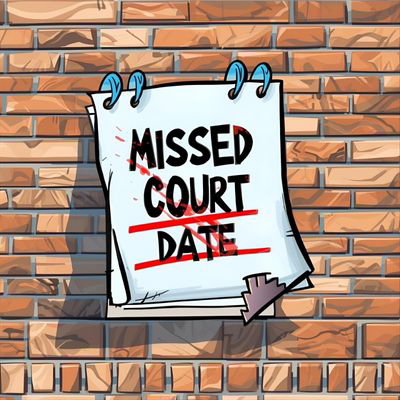
Missed court appearance concept showing legal consequences in Florida

This is one of the biggest concerns I hear about from families. If you—or your loved one—misses a scheduled court appearance, the court will issue a bench warrant for arrest.The bail bond company then becomes responsible for the full bail amount. To recover it, they might send out a bail enforcement agent (often called a bounty hunter).

But here's the key point:If you miss court for a valid reason—such as illness or an emergency—your attorney can file a motion to set aside the forfeiture and request a new court date.It's always better to communicate immediately with your attorney and bail bond agent rather than waiting.

Understanding Collateral and Refunds

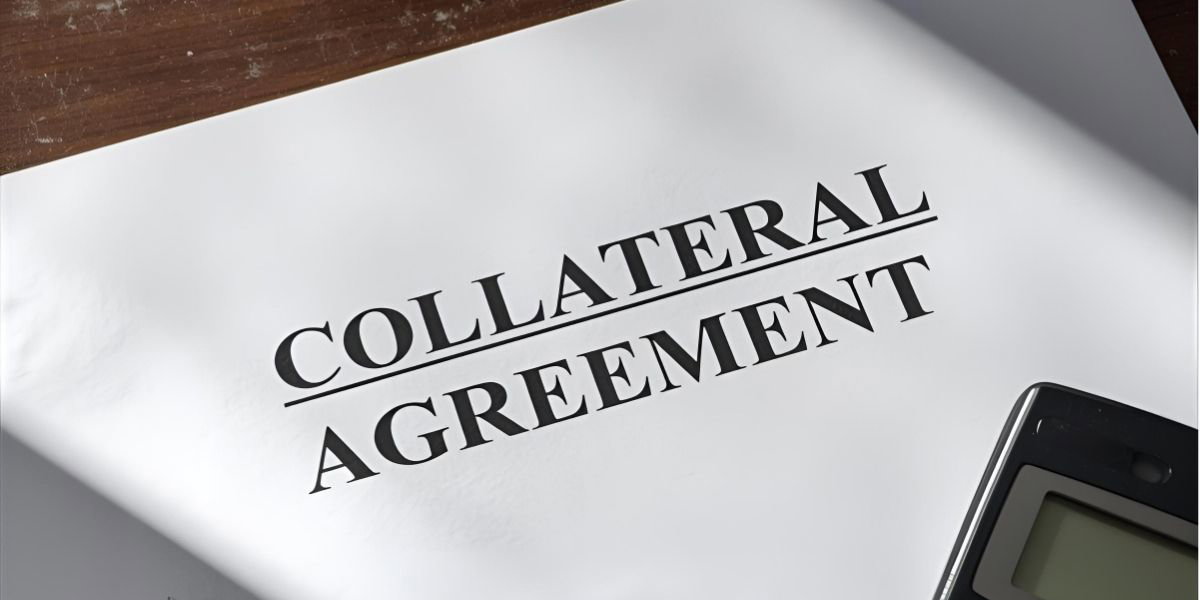
What Collateral Is

Collateral is something of value (like jewelry, property, or a vehicle) used to secure a bond. It's only collected if the defendant fails to appear in court.

When You Get Your Collateral Back

Once the case is resolved and all court appearances are complete, the collateral is returned—minus any agreed-upon fees.

If you've worked with a reputable bail bond agency like Bail Bond Daytona, they'll make this process straightforward and transparent.

How Florida's Bail Laws Protect You

Many people assume bail agents only care about collecting fees, but Florida's bail laws are designed to protect you, the consumer.

Consumer Protection Regulations

The Florida Department of Financial Services monitors bail bond agents, ensuring they:

  • Maintain proper licensing and insurance.
  • Use standard contracts that meet state guidelines.
  • Clearly outline all costs and collateral requirements.

If a bail bond company violates these rules, you can file a complaint directly with the Department.

Why I Recommend Bail Bond Daytona

When I helped a friend through the bail process last year, we were utterly lost—until we connected with Bail Bond Daytona. They didn't just process paperwork; they explained the laws, walked us through each step, and treated us with compassion.

Here's why I recommend them:

  • 24/7 availability—they understand arrests don't happen on a schedule.
  • Local expertise—they know how the courts in Volusia County and the surrounding areas operate.
  • Fair pricing—they follow state law and never charge hidden fees.
  • Fast response times—because every minute matters when someone you love is behind bars.

If you're navigating an arrest situation, having a licensed and trustworthy bail bond service like Bail Bond Daytona makes a huge difference.

Common Myths About Florida Bail Laws

Myth 1: You Can't Get Bail for Serious Charges

False. Even serious felony charges often come with bail options—though amounts will be higher and conditions stricter.

Myth 2: The Bondsman Can Change the Fee

Also false. Florida law caps bail bond premiums at 10% of the total bail amount. Anything higher is illegal.

Myth 3: If You Pay Bail, It's Gone Forever

Not true. If you post cash bail directly with the court and the defendant attends all hearings, you'll get that money back once the case concludes.

Final Thoughts: Knowledge Is Power

Understanding Florida bail bond laws can completely change how you handle an arrest situation. What feels chaotic becomes manageable once you know your rights, responsibilities, and options.

If you ever find yourself—or someone you love—facing an arrest in Florida, remember this:

  • Stay calm.
  • Learn the laws.
  • Choose a reputable bond service that follows state regulations.

And if you're in the Daytona Beach area, reach out to Bail Bond Daytona. They've built a reputation for fast, affordable, and honest bail assistance, and from my own experience, they genuinely care about helping families through difficult times.

Because when the legal system feels overwhelming, the proper knowledge—and the right people—make all the difference.

Learn when a bail bond can be revoked, common causes, and how to stay compliant with tips from Bail Bond Daytona in Florida.

Facing an arrest—whether it's yourself, a family member, or a friend—can be stressful, confusing, and overwhelming. One of the questions that often comes up is: "What happens if a bail bond is revoked?" I've spent time understanding this process so I can share it in a way that's easy to digest, especially for families and individuals in Florida who are navigating the system for the first time.

In this post, I'll walk through why and when a bail bond can be revoked, what actions may trigger it, and how to prevent complications. I'll also provide guidance on working with professional bail bond services like Bail Bond Daytona, which can help make the process smoother and less stressful.

Understanding Bail Bonds and Their Role

What a Bail Bond Really Means

When someone is arrested, the court often allows them to post bail—a sum of money to guarantee they'll appear at future court dates. I always explain it to people like this: the bail bond is essentially a promise. The person posting bail is saying, "I will follow the rules, show up for court, and respect the legal process."

Here's how it works:

  • Cash bail: You pay the full amount directly to the court.
  • Bail bond: You work with a licensed bail bond agent (like Bail Bond Daytona) to cover the cost, usually paying a percentage of the total amount.
  • Collateral: In some cases, property or valuables may be used to secure the bond.

The court and the bail bond company expect that the person released will comply with all conditions, or the bond may be revoked.


What "Bail Bond Revocation" Actually Means

The Legal Implications

When a bail bond is revoked, the court or bail bond company cancels the release agreement. This means:

  • The person who was released may be taken back into custody immediately.
  • Any money or collateral used to secure the bond may be forfeited.
  • Additional charges may apply if violations were serious, such as fleeing the jurisdiction.

I always tell people: think of revocation as a severe warning. It doesn't happen lightly, but when it does, it can have significant consequences for both the defendant and their family.

Common Misunderstandings

  • Some people believe the bond can't be revoked once posted—it absolutely can.
  • Others think minor mistakes don't matter—but failing to follow court rules, even inadvertently, can trigger revocation.
  • A professional bail bond agent can help explain conditions clearly and avoid mistakes.


Why Bail Bonds Are Revoked

There are several reasons a bail bond may be revoked. I like to break them down into behavioral, procedural, and legal triggers:

1. Failing to Appear in Court

  • The most common cause for revocation.
  • Even missing a single court date can trigger a warrant and immediate revocation.
  • Tips I've shared with clients: set multiple reminders, communicate with your attorney, and never assume a short delay is harmless.


2. Violating Release Conditions

Courts often set conditions to maintain public safety and ensure compliance. Violations can include:

  • Travel restrictions: Leaving Florida without permission.
  • No-contact orders: Contacting specific individuals, like victims or co-defendants.
  • Drug or alcohol restrictions: Being caught using prohibited substances.
  • Curfew violations: Not following court-mandated schedules.

Breaking any of these conditions can lead to bond revocation, immediate arrest, and sometimes higher bail upon re-release.

3. Committing a New Crime While Released

  • If the individual is charged with a new offense while out on bail, the original bond can be revoked.
  • Courts may view this as a sign that the person is not respecting the legal process, which can complicate their case.


4. Failing to Cooperate with the Bail Bond Company

  • Bail bond companies, like Bail Bond Daytona, have rules to protect themselves.
  • Missing scheduled check-ins, providing false information, or otherwise violating the agreement can result in the bond being revoked.
  • I always advise families: maintain open communication with your agent, and treat the bond like a legal contract.


What Happens After a Bail Bond Is Revoked

Immediate Legal Consequences

  • The defendant may be re-arrested and taken to jail.
  • The court may issue a bench warrant for failure to comply.
  • Any collateral used to secure the bond could be forfeited, meaning property or cash may be lost.

Additional Charges and Penalties

  • Some violations trigger additional criminal charges, like contempt of court or violating bond conditions.
  • Bail may increase significantly for re-release, making it harder for families to post again.

The Role of the Bail Bond Agent Post-Revocation

  • A professional like Bail Bond Daytona can sometimes advocate for reinstatement or advise on the following legal steps.
  • They help families navigate court procedures and understand what's required to restore the bond.


How to Prevent Bail Bond Revocation

I can't stress this enough: prevention is far easier than dealing with revocation. Here's what I recommend:

1. Understand Your Bond Conditions Clearly

  • Review all conditions with your attorney or bail bond agent.
  • Ask questions until you fully understand restrictions on travel, contact, and behavior.

2. Keep Open Communication with Your Bail Bond Agent

  • Notify the agent of any schedule conflicts, court updates, or concerns.
  • Report any unexpected issues immediately—agents can sometimes intervene to prevent revocation.

3. Prioritize Court Appearances

  • Mark all court dates on multiple calendars (phone, paper, family reminders).
  • Set alarms and plan transportation in advance.
  • Never assume a delay or rescheduling is automatic—always confirm with the court.

4. Aoid Risky Behavior

  • Follow all legal restrictions, including travel and contact rules.
  • Avoid situations that may lead to new charges.
  • Take alcohol or drug restrictions seriously—violating them is a fast track to revocation.

5. Keep Documentation Handy

  • Maintain records of payments, communication, and compliance with bond conditions.
  • This documentation can help protect the bond if misunderstandings occur.


How Bail Bond Daytona Helps Families Navigate the Process

Having a professional bail bond service by your side can make a huge difference. Here's why I recommend Bail Bond Daytona.

  • Guidance Through the Process: They explain the legal requirements and prevent common mistakes that could lead to revocation.
  • Support for Families: They act as a liaison, helping families understand court updates and manage the logistical stress.
  • Flexible Payment Options: For low-to income individuals, they provide solutions that make posting bail more manageable.
  • 24/7 Availability: Arrests can happen at any time—having someone available day or night provides peace of mind.

I genuinely feel that families benefit from having a trusted, experienced agent involved—especially during such a stressful time.

Final Thoughts

Bail bond revocation is serious, but it's entirely preventable with the proper preparation and awareness. The key takeaways I want families and individuals to remember:

  • Know the conditions of your bail bond and follow them strictly.
  • Never miss court dates—set multiple reminders and plan transportation carefully.
  • Avoid new criminal activity or risky behavior while out on bond.
  • Maintain open communication with your bail bond agent; it can prevent misunderstandings.
  • Work with a professional service, like Bail Bond Daytona, to navigate legal complexities and reduce stress.

If you or a loved one is facing bail, understanding these rules and working with experienced professionals can protect your freedom, finances, and peace of mind.

11Oct

Discover 5 expert tips for choosing the right bail bondsman in Florida. Ensure transparency, 24/7 support, compassion, and a licensed, trusted agent.

When someone I cared about was arrested, I had no idea where to start. The entire bail bond process felt like a blur — paperwork, phone calls, and the overwhelming pressure to get them home safely. If you're reading this, chances are you're feeling the same.

Finding the right bail bond agent can make all the difference between sleepless nights and peace of mind. After walking this road myself, I've learned that not all bail bond services are created equal. Some genuinely care, while others treat you like just another case file.So, here are my top five tips for choosing the right bail bondsman — practical, experience-based advice that will help you make a confident decision when every minute 

1. Check for Licensing and Experience

The very first thing I learned is that not all bail bond agents are licensed — and that can create big problems later.

licensed bail bond agent in Florida must meet specific training and legal requirements. When I started researching, I realized how critical this was. A licensed professional knows the Florida bail bond laws, court systems, and how to navigate them efficiently.

Why Licensing Matters

  • It ensures your bail agent operates legally and ethically.
  • Licensed agents are accountable to the Florida Department of Financial Services.
  • It's your assurance that the person you're trusting with your money and your loved one's freedom is legitimate.


How to Verify a Bail Bondsman's License

You can search the Florida Department of Financial Services' website to confirm a bondsman's license number and standing.

Pro Tip: Always ask for their license number upfront — a trustworthy bondsman won't hesitate to provide it.


2. Look for Transparency and Honesty

When I first started calling around, some bondsmen were quick to throw out a quote without explaining feescollateral, or what would happen if something went wrong. That was a red flag.

reputable bail bond service will clearly explain:

  • The total bail bond cost (usually 10% of the bail amount in Florida)
  • Any additional fees or hidden charges
  • What happens if your loved one misses a court date
  • The terms of the bond agreement


Avoid Red Flags

  • Vague or inconsistent pricing
  • Promises of "special deals" that seem too good to be true
  • Pressure to sign immediately without reading the paperwork

A professional will walk you through every step and make sure you understand what you're signing.

When I worked with a transparent bail agent, I felt empowered instead of confused — and that peace of mind made all the difference.


3. Choose a Bondsman with 24/7 Availability

Arrests don't happen on a schedule. They can occur in the middle of the night, on weekends, or during holidays. That's why having a 24-hour bail bonds service is essential.When I got the call at 2 a.m., I realized how much it mattered that someone answered on the first ring.

Benefits of 24/7 Bail Bond Services

  • Immediate response: Fast action means a faster release.
  • Continuous support: You'll have guidance throughout the night.
  • Less stress: Knowing help is available anytime brings relief.

If a bondsman isn't responsive or doesn't offer round-the-clock support, consider that a warning sign.


4. Check Reviews and Reputation

Before trusting anyone, I turned to Google reviews, local listings, and even social media. Reading real stories from others helped me avoid a few shady options.

What to Look for in Reviews

  • Mentions of fast response times
  • Comments about clear communication
  • Consistent praise for compassion and professionalism
  • How the company handled complicated cases

You can tell a lot from how a bail bond agency responds to negative feedback, too. Do they offer solutions or get defensive? That says a lot about their values.A company with years of experience and a strong reputation will stand behind its work — not hide behind excuses.


5. Look for Compassion and Understanding

The most valuable thing I learned is that the right bail bondsman isn't just about paperwork and money — it's about people.

When you're dealing with the emotional stress of an arrest, you need someone who listens, explains patiently, and genuinely wants to help.

Signs of a Compassionate Bail Bondsman

  • They take time to answer your questions.
  • They don't rush you or pressure you.
  • They speak respectfully, without judgment.
  • They offer realistic advice, not false promises.


When I worked with a compassionate bail agent, it made the entire experience less frightening. That human connection turned what felt like a crisis into a manageable situation.


Bonus Tip: Local Knowledge Makes a Big Difference

If your loved one was arrested in Daytona Beach or anywhere in Florida, working with a local bail bond agent is a game-changer. Local agents know the courts, jails, and procedures, which means they can get things done faster.
They often have direct relationships with local law enforcement, which helps speed up the release process and ensures smoother communication.


Why I Recommend Bail Bond Daytona

If you're in Florida and searching for a trusted, professional, and compassionate bail bonds service, I can't recommend Bail Bond Daytona enough.

When I was in that stressful position, they treated me like family. Their team was:

  • Available 24/7 (even on weekends and holidays)
  • Transparent about fees — no hidden surprises
  • Experienced in handling all types of bail cases
  • Understanding and genuinely caring throughout the process

They made sure everything was handled quickly and professionally, giving me and my family a sense of stability when we needed it most.

04Oct

Learn what collateral means in bail bonds, how it works, and what assets you can use to secure bail. This complete guide explains the process, risks, and real examples to help you navigate bail confidently in Daytona Beach.

Hey there! If you're reading this, I know you're likely facing one of the most stressful situations: someone you care about has been arrested, or maybe you're navigating bail for yourself. I get it — it's confusing, emotional, and full of legal jargon that can feel overwhelming.

One term you've probably come across is collateral in bail bonds. It doesn't sound very easy, but it's really just a tool that helps secure bail and ensure the person released attends all their court dates. I'm going to walk you through everything in plain language, with real examples and tips, so you feel confident in your next steps.

What Is Collateral in Bail Bonds?

Collateral is simply something valuable you pledge to a bail bondsman when they help post bail for someone. Think of it as a form of trust — it reassures the bondsman that the defendant will attend court.

  • It protects the bondsman if the defendant doesn't show up.
  • It gives you, the person posting bail, a way to secure release without paying the full bail amount in cash.
  • It can be almost anything of significant value, from property to vehicles to jewelry.


Why Collateral Matters

If you or a loved one cannot afford to pay full bail, collateral can make a big difference:

  • Access to Freedom Quickly: Without collateral, some bondsmen may hesitate to post bail, especially for high amounts.
  • Financial Flexibility: You pay only a fraction of the bail as a bond fee instead of the entire bail sum.
  • Peace of Mind: Knowing there's a structured agreement can reduce the stress of navigating the bail system.


Common Types of Collateral

Here are some examples of what bail bondsmen usually accept:

  • Real Estate – Homes, condos, or land with equity.
  • Vehicles – Cars, motorcycles, trucks, or boats.
  • Jewelry & Valuable Items – Gold, diamonds, artwork.
  • Cash – Direct payment or a savings deposit.
  • Other Assets – Electronics, collectibles, or anything agreed upon with the bondsman.

Tip: Make sure the asset's value matches or exceeds the bail amount. This protects both you and the bondsman.


How the Collateral Process Works

Let me walk you through a typical process so you know what to expect:

  1. Assessment – The bondsman reviews the bail amount, the defendant's background, and the proposed collateral.
  2. Agreement – You and the bondsman sign a contract specifying the terms, type of collateral, and bond fee.
  3. Posting Bail – The bondsman posts the bail, and the defendant is released from custody.
  4. Court Compliance – The defendant must attend all scheduled hearings.
  5. Return of Collateral – Once all obligations are met, the collateral is released back to you.

It's important to understand that failing to meet court obligations can result in forfeited collateral.


What Happens If the Defendant Misses Court

I want to be honest — this part matters.

  • Loss of Collateral: The bondsman can take and sell your collateral to cover the bail.
  • Additional Legal Trouble: The defendant could face new charges, and a warrant may be issued.
  • Financial Liability: You may lose both collateral and bond fees.

The best way to protect yourself is by ensuring the defendant understands the importance of attending every court date.


Tips for Handling Collateral Safely

Here's what I usually tell anyone posting collateral:

  • Choose Wisely – Use assets of sufficient value but not ones that would devastate you if lost.
  • Keep Documentation – Have proof of ownership, purchase price, or valuation for the collateral.
  • Understand the Contract – Read every term carefully and ask questions before signing.
  • Maintain Communication – Stay in touch with the bondsman throughout the process.

Use Legal Guidance – A lawyer can explain any confusing clauses or legal risks.


A Real-Life Example

Here's a scenario to make it concrete: Your friend, Jenny, has been arrested, and bail is set at $15,000. You don't have that cash, but you own a car worth $16,000. You offer the car as collateral. The bondsman posts bail, Jenny is released, and she attends every court date. Once the case is resolved, your car is returned.
Now, imagine if Jenny skipped a court date. The bondsman could sell your car to recover their costs. This example highlights the responsibility involved when pledging collateral.


Who Can Benefit Most from Understanding Collateral

  • Family & Friends – Offers a straightforward way to help someone out of jail quickly.
  • Recently Arrested Individuals – Helps regain Freedom while preparing a defense.
  • Out-of-State Visitors & Tourists – Provides a local solution for those unfamiliar with the courts.
  • People Facing High Bail – Makes posting bail more manageable.
  • Low-to-Middle Income Individuals – Offers a path to release without full cash payment.


My Personal Recommendation

If you're in Daytona or the surrounding area, I recommend Bail Bond Daytona

  • They're available 24/7 for emergencies.
  • Their fees and collateral requirements are transparent.
  • Local expertise ensures a smooth, faster process.
  • They have a reputation for treating clients with respect and care.

Working with a trusted bail bond service can make this stressful process a lot more manageable.


Final Thoughts

Collateral in bail bonds might seem intimidating at first, but once you understand how it works, it's really a tool for securing Freedom and protecting everyone involved.

Remember these key points:

  • Collateral ensures the bondsman's protection and encourages court compliance.
  • Only pledge assets you can afford to risk.
  • Stay informed and communicate openly with the bondsman.
  • Trust licensed professionals, like Bail Bond Daytona, for guidance.

Handling collateral responsibly can make a huge difference in how smoothly someone gets out of jail and stays on track for their court dates. With the right approach, this process doesn't have to feel overwhelming — you can navigate it confidently and safely.

I BUILT MY SITE FOR FREE USING